


Valdisole - Armonia 2024

Valdisole - Armonia 2024
Pale amber, citrus peel and dried apricot, light on its feet.
- Bright
- Floral
- Dry
- Fresh
- Type
- Orange
- Grapes
- Arneis, Moscato Bianco
- Place
- Piemonte, Italy
Free shipping over €150 in Germany · Pickup in Berlin
How it tastes
In the glass
Armonia is Valdisole's gentlest orange — short maceration, pale amber, and surprisingly light on its feet.
Profile
Nose
Citrus peel, dried apricot, a hint of white flower from the Moscato. Light and inviting without being sweet.
Palate
Dry and precise with a lean texture from two weeks on the skins. The Arneis brings mineral structure, the Moscato adds a faint floral lift. Refreshing rather than complex.
Finish
Dry, slightly tannic, with a clean mineral edge. Very drinkable.
“A pale amber blend of Arneis and Moscato shaped by a short maceration and sandy Roero soils.”
How to serve
Getting the best out of it
How to pair it
This is a skin-contact white
Think of it as a red in white clothing: it has tannin, so pair it like a light red, not like a white.
Match
Flavours that echo the wine.
- Roasted vegetables (squash, roots)
- Mushrooms
- Fermented and umami foods (miso, kimchi)
- Mildly spiced dishes (dal, mild curry)
Contrast
Opposites that make each other better.
- Fatty pork (porchetta)
- Cured meats
- Salty aged cheese
Careful with
Combinations that flatten the wine.
- Delicate raw fish
- Creamy dishes
- Sweet desserts
Terroir & winemaking
From the vineyard to the bottle
Roero sits on the opposite bank of the Tanaro river from the Langhe — sandy, calcareous soils that give wines freshness and lift rather than weight.
- Vines
- Arneis and Moscato Bianco on calcareous sand and clay soils in the Roero hills, Piedmont.
- Soils
- Sandy clay-limestone — lighter and more mineral than the heavier Langhe soils across the river.
- Farming
- Low-intervention, estate farming.
- Cellar
- Two weeks on the skins, keeping the colour pale amber and the texture lean. Aged on lees in stainless steel.
- Additions
- No additions. No fining, no filtration.
Where it's from · Piemonte, Italy
CORNELIANO D'ALBA
Valdisole’s vineyards are planted mainly within the Roero DOCG and especially in the Valdistefano geographic zone — a terroir of sandy, clay and fossil-rich limestone soils that give the wines their distinctive tension, clarity, and freshness.
The winemaker · Roero, Piedmont
Valdisole
Artisan vignerons crafting curious, experimental wines from Roero’s sandy hills
Valdisole began in 2015 on the hills of Roero, in a little village called Corneliano d’Alba, born from the unexpected curiosity and passion of founders Giuseppe Amato and Kyriaki Kalimeri — neither of whom came from a winemaking family.
"Valdisole is born out of curiosity… the only ingredient of our wine is the grape.”

- Style
- Natural, experimental Piedmont wines
- Vineyards
- ~3.5–4 ha on sandy, fossil-rich Roero soils
- Farming
- Organic/biodynamic (not certified) with no synthetic chemicals
- Winemaking
- Spontaneous fermentation, minimal/no sulphites, no filtration
- Signature
- Creative, terroir-inspired wines beyond tradition


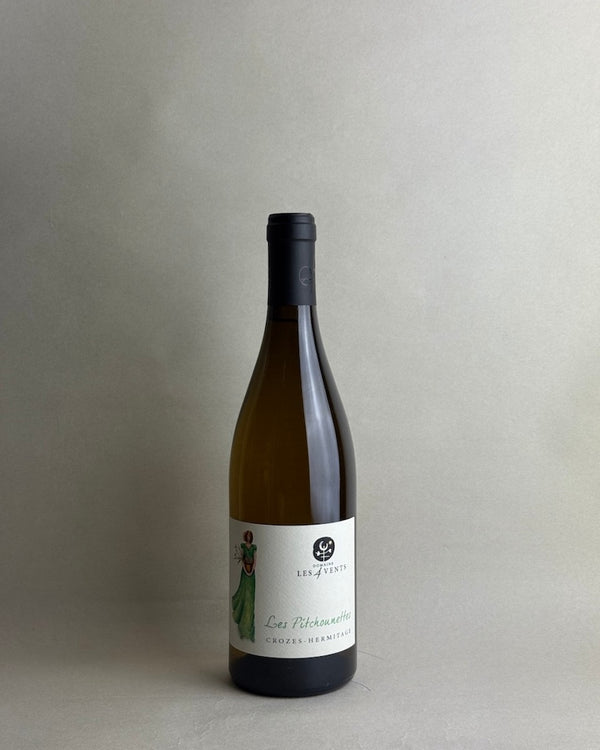
Picked by us
If you like this, try
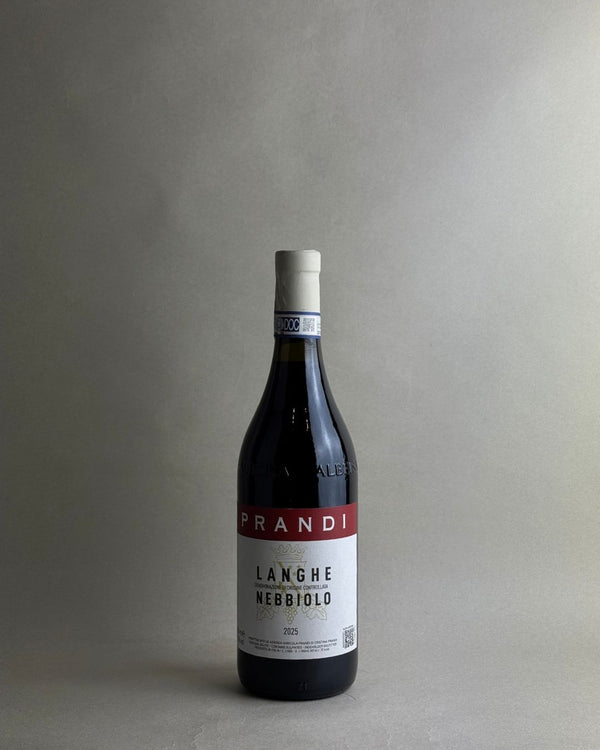
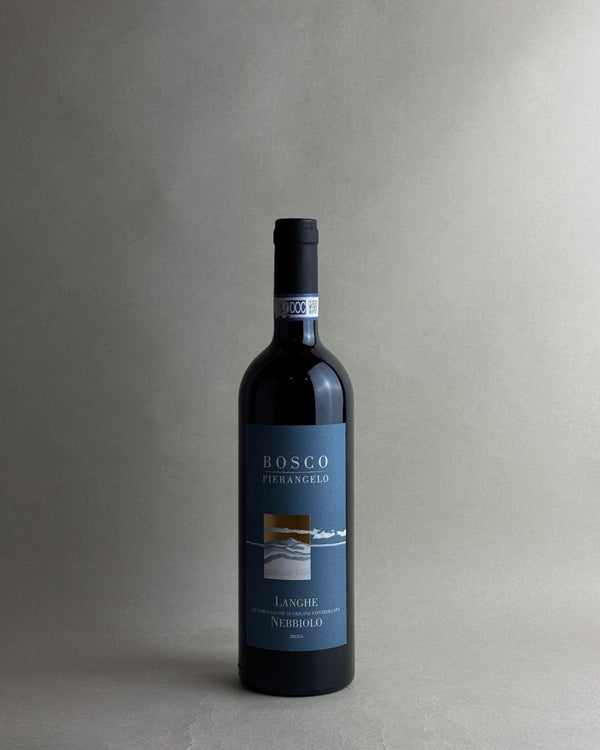
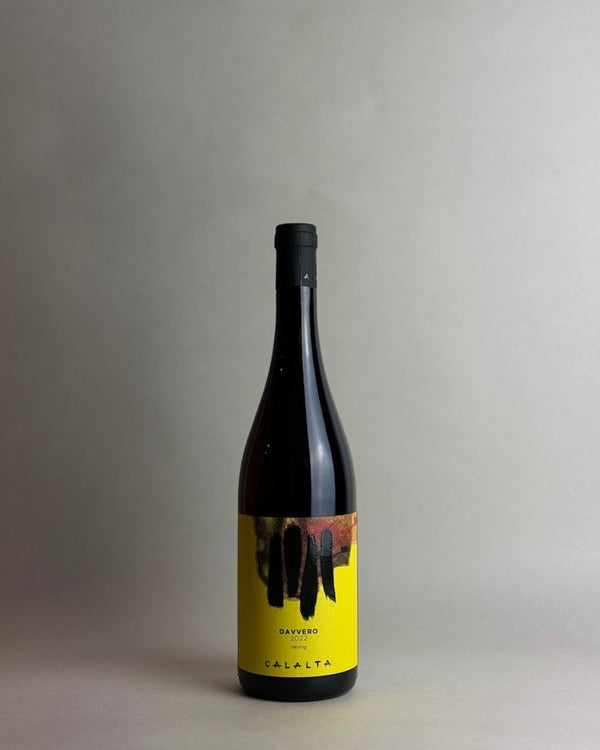
Not an algorithm: three bottles we would open next, and what they have in common.

Good to know
Questions we get a lot
Is this a natural wine?
All our wines come from small growers who farm organically or biodynamically and keep intervention in the cellar to a minimum: native yeasts, little or no added sulphites. Every producer has their own approach; the details are in “From the vineyard to the bottle” above.
Why is it a bit cloudy, or is there sediment?
Many of our wines are bottled unfiltered. A light haze or some sediment is natural and harmless: stand the bottle upright for a few hours and pour gently.
How long does it keep once open?
It depends on the wine (see “Once open” above). As a rule: cork back in and keep it in the fridge, reds included.
When will my order arrive?
We ship Tuesday to Saturday, usually right away. In Germany delivery takes 2–3 working days; rates for every country are on our shipping page.
Can I pick up in Berlin?
Yes. Choose pickup at checkout and collect your order at our shop in Berlin.