


La Mutine - Vézelay "Le Clos Dû" 2023

La Mutine - Vézelay "Le Clos Dû" 2023
La Mutine's estate Chardonnay — tense, mineral, and aged with real intention.
- Mineral
- Saline
- Textured
- Tense
- Type
- White
- Grapes
- Chardonnay
- Place
- Burgundy, France
Free shipping over €150 in Germany · Pickup in Berlin
How it tastes
In the glass
La Mutine's most complete white — tense, mineral, and aged with real intention.
Profile
Nose
Citrus peel, white stone fruit, a faint toasty note from the lees and barrel contact. Restrained but complex — needs a moment to open.
Palate
Real presence and texture without weight. The 50% barrel component adds structure without oak dominance. Saline, focused, long. Mineral core throughout.
Finish
Long and dry, with a saline persistence that reads distinctly northern Burgundy.
“The most serious white in the La Mutine range — built for the table, not the aperitivo.”
How to serve
Getting the best out of it
How to pair it
This is a textured white
Richer whites can take richer food: butter, cream and roast chicken are fair game. Keep the acidity in mind and don’t drown it in sauce.
Match
Flavours that echo the wine.
- White meat (roast chicken, rabbit)
- Mushrooms
- Creamy rice and pasta (risotto)
- Hard cheeses
Contrast
Opposites that make each other better.
- Smoked fish (trout, mackerel)
- Fatty pork (pork belly)
- Salty aged cheese (pecorino)
Careful with
Combinations that flatten the wine.
- Very spicy dishes
- Red meat in red sauce
- Sweet desserts
Terroir & winemaking
From the vineyard to the bottle
Estate Chardonnay from Vézelay, aged in two stages — 9 months on lees, then 9 months in bottle before release.
- Vines
- Chardonnay, estate-grown in Vézelay, Grand Auxerrois.
- Soils
- Clay-limestone hillsides around the village of Island.
- Farming
- Fully organic, worked by hand and old tractor.
- Cellar
- Direct press. Fermentation in tank on indigenous yeasts. Aged 9 months on lees — split equally between stainless steel (50%) and barrel (50%) — followed by a further 9 months of bottle ageing before release. Total time from harvest to market 18 months.
- Additions
- Minimal sulphur at bottling. No fining, no filtration.
Where it's from · Burgundy, France
Vézelay
Vézelay sits at the northern edge of Burgundy, where the Yonne and Cure valleys meet. The soils are limestone and clay — harder and more austere than the marl-rich soils of the Côte d'Or. The climate is more continental, cooler, with a shorter growing season.
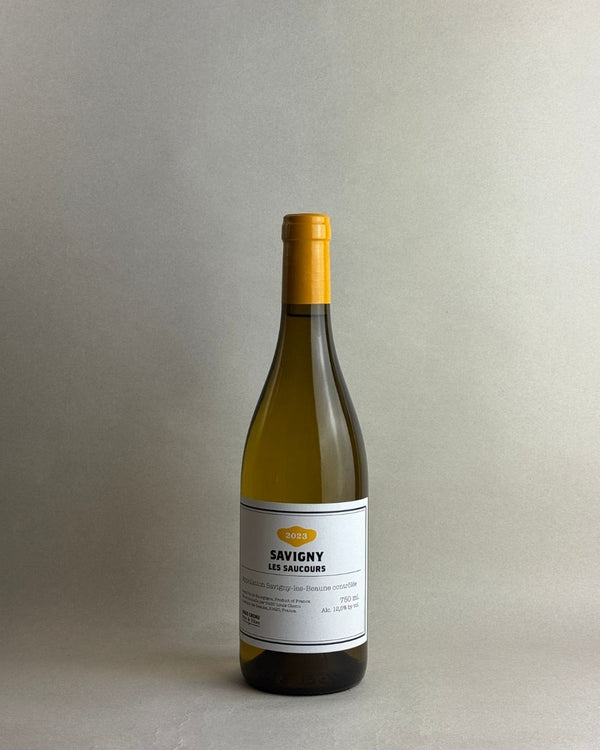

The winemaker · Vézelay, Grand Auxerrois — northern Burgundy, limestone and clay hillsides. AOC since 2017, winemaking history going back to the Cistercians.
La Mutine
Raw northern Burgundy from a limestone hill in Vézelay.
Jean-Paul Pando came to wine through restaurants — years spent between Provence and Bordeaux before deciding he wanted to be on the other side of the bottle. He trained at Domaine Jean-Marc Roulot in Meursault, one of the most precise white wine addresses in Burgundy, and absorbed both the technical rigour and the respect for place that defines Roulot's work.
“La Mutine, c’est une viticulture corps à corps.”

- Style
- Tense, mineral whites and precise, chalky reds. Northern Burgundy clarity — nothing smoothed over.
- Grapes
- Chardonnay, Melon de Bourgogne (whites) · Pinot Noir (reds)
- Farming
- Fully organic, worked by hand and old tractor. Low yields, parcel by parcel.
- Cellar
- Whole-bunch fermentation on reds, direct press on whites. Indigenous yeasts, light sulphur at bottling only. Unfiltered, unfined across the range.
- Signature
- Chalky mineral edge, electric tension, pure fruit. The precision of Meursault training applied to a wilder northern terroir.


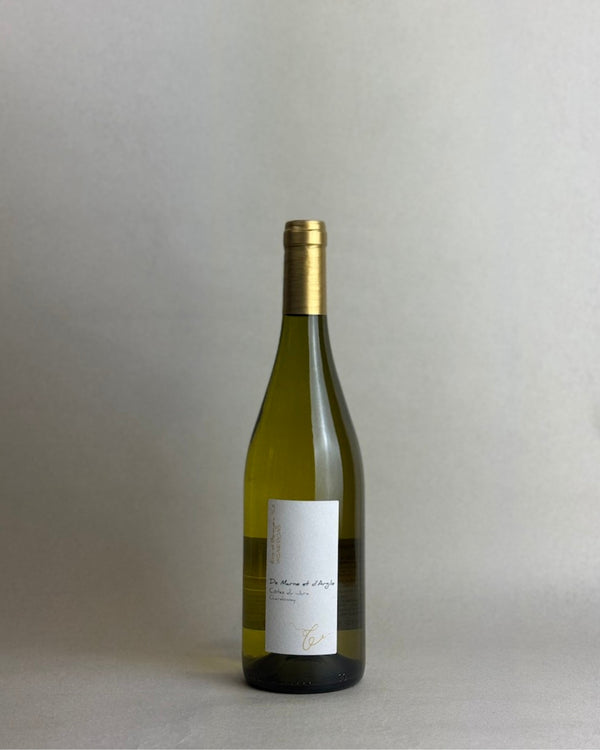
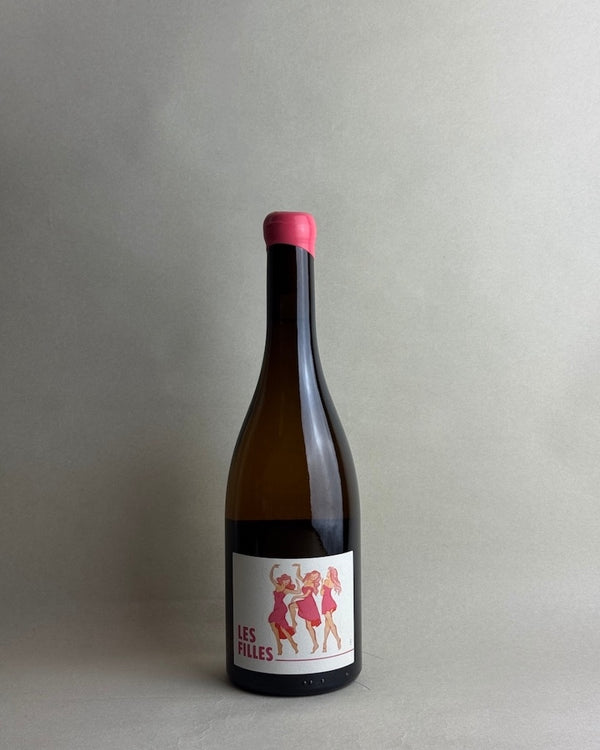
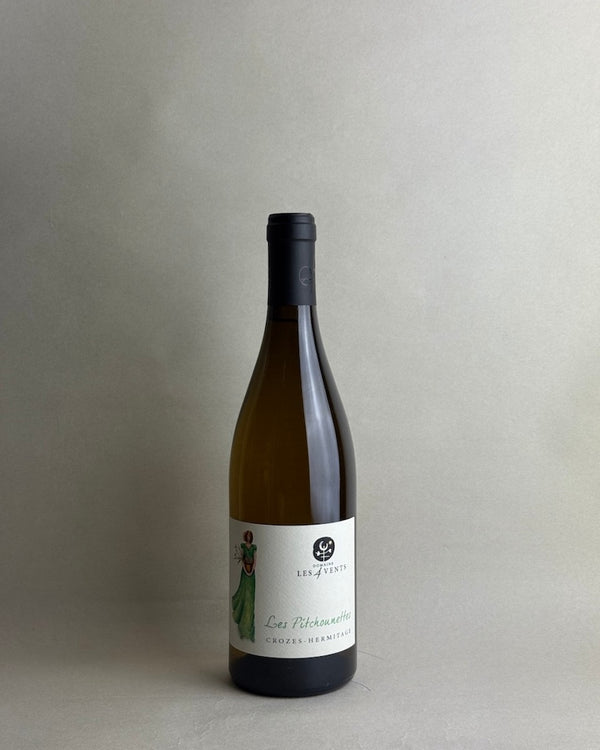
Picked by us
If you like this, try
Not an algorithm: three bottles we would open next, and what they have in common.
Good to know
Questions we get a lot
Is this a natural wine?
All our wines come from small growers who farm organically or biodynamically and keep intervention in the cellar to a minimum: native yeasts, little or no added sulphites. Every producer has their own approach; the details are in “From the vineyard to the bottle” above.
Why is it a bit cloudy, or is there sediment?
Many of our wines are bottled unfiltered. A light haze or some sediment is natural and harmless: stand the bottle upright for a few hours and pour gently.
How long does it keep once open?
It depends on the wine (see “Once open” above). As a rule: cork back in and keep it in the fridge, reds included.
When will my order arrive?
We ship Tuesday to Saturday, usually right away. In Germany delivery takes 2–3 working days; rates for every country are on our shipping page.
Can I pick up in Berlin?
Yes. Choose pickup at checkout and collect your order at our shop in Berlin.