


La Mutine - Bourgogne "Sur Les Roches" 2023

La Mutine - Bourgogne "Sur Les Roches" 2023
Limestone in the glass: red cherry, dried herb, chalky grip.
- Chalky
- Structured
- Tense
- Precise
- Type
- Red
- Grapes
- Pinot Noir
- Place
- Burgundy, France
Free shipping over €150 in Germany · Pickup in Berlin
How it tastes
In the glass
The rockier, more structured side of La Mutine's Vézelay Pinot Noir.
Profile
Nose
Red cherry, dried herb, a clean mineral coolness. Restrained and precise — nothing overripe, nothing forced.
Palate
Fine-grained tannin with real grip. The limestone shows directly in the texture — chalky, dry, focused. Less fruit-forward than the Les Jus, more structural and persistent.
Finish
Long and dry, with a chalky mineral persistence and a faint spice from the whole-cluster work.
“A tense, mineral Pinot Noir that rewards patience and rewards attention.”
How to serve
Getting the best out of it
How to pair it
This is an everyday red
Enough grip for meat, enough freshness for vegetables. Think shared plates and anything off the grill.
Match
Flavours that echo the wine.
- Grilled meat and vegetables
- Tomato-based pasta
- Mushrooms
- Roast pork
Contrast
Opposites that make each other better.
- Fatty sausages
- Lamb (chops, roast)
- Cured meats
Careful with
Combinations that flatten the wine.
- Raw or delicate fish
- Very hot chilli
- Artichokes and asparagus
Terroir & winemaking
From the vineyard to the bottle
Estate fruit from La Mutine's most demanding parcel — shallower soils, more rock, more grip.
- Vines
- Pinot Noir, estate-grown in Vézelay, Grand Auxerrois.
- Soils
- Limestone-dominant — shallower and rockier than the Les Jus plot, with less clay influence. The terroir difference is direct and readable in the wine.
- Farming
- Fully organic, worked by hand and old tractor.
- Cellar
- 12 days whole-cluster maceration. Aged 22 months in stainless steel — no oak, pure terroir expression.
- Additions
- Minimal sulphur at bottling. No fining, no filtration.
Where it's from · Burgundy, France
Vézelay
Vézelay sits at the northern edge of Burgundy, where the Yonne and Cure valleys meet. The soils are limestone and clay — harder and more austere than the marl-rich soils of the Côte d'Or. The climate is more continental, cooler, with a shorter growing season.

The winemaker · Vézelay, Grand Auxerrois — northern Burgundy, limestone and clay hillsides. AOC since 2017, winemaking history going back to the Cistercians.
La Mutine
Raw northern Burgundy from a limestone hill in Vézelay.
Jean-Paul Pando came to wine through restaurants — years spent between Provence and Bordeaux before deciding he wanted to be on the other side of the bottle. He trained at Domaine Jean-Marc Roulot in Meursault, one of the most precise white wine addresses in Burgundy, and absorbed both the technical rigour and the respect for place that defines Roulot's work.
“La Mutine, c’est une viticulture corps à corps.”

- Style
- Tense, mineral whites and precise, chalky reds. Northern Burgundy clarity — nothing smoothed over.
- Grapes
- Chardonnay, Melon de Bourgogne (whites) · Pinot Noir (reds)
- Farming
- Fully organic, worked by hand and old tractor. Low yields, parcel by parcel.
- Cellar
- Whole-bunch fermentation on reds, direct press on whites. Indigenous yeasts, light sulphur at bottling only. Unfiltered, unfined across the range.
- Signature
- Chalky mineral edge, electric tension, pure fruit. The precision of Meursault training applied to a wilder northern terroir.


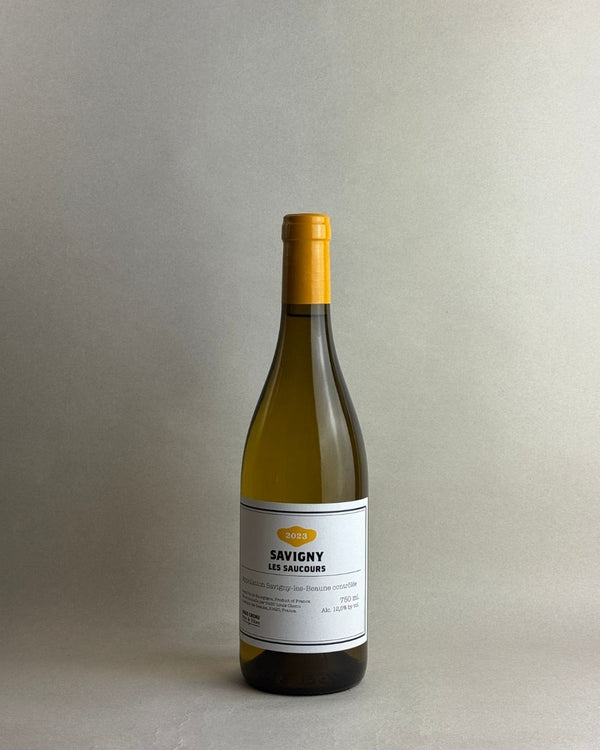
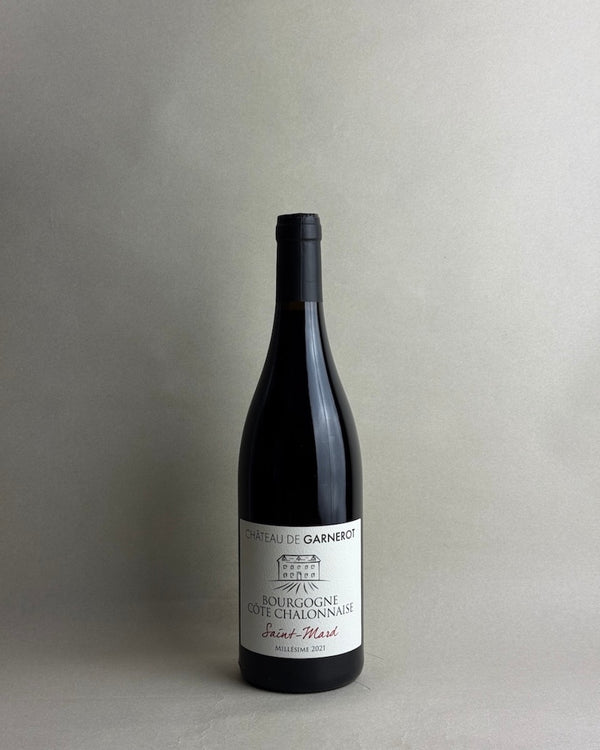
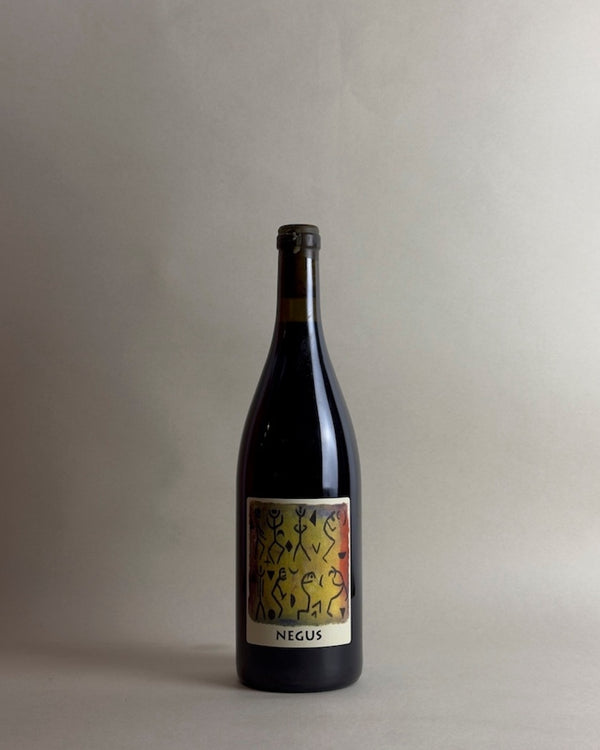
Picked by us
If you like this, try
Not an algorithm: three bottles we would open next, and what they have in common.
Good to know
Questions we get a lot
Is this a natural wine?
All our wines come from small growers who farm organically or biodynamically and keep intervention in the cellar to a minimum: native yeasts, little or no added sulphites. Every producer has their own approach; the details are in “From the vineyard to the bottle” above.
Why is it a bit cloudy, or is there sediment?
Many of our wines are bottled unfiltered. A light haze or some sediment is natural and harmless: stand the bottle upright for a few hours and pour gently.
How long does it keep once open?
It depends on the wine (see “Once open” above). As a rule: cork back in and keep it in the fridge, reds included.
When will my order arrive?
We ship Tuesday to Saturday, usually right away. In Germany delivery takes 2–3 working days; rates for every country are on our shipping page.
Can I pick up in Berlin?
Yes. Choose pickup at checkout and collect your order at our shop in Berlin.