


Jean-Paul et Charly Thévenet - Morgon Tradition 2024

Jean-Paul et Charly Thévenet - Morgon Tradition 2024
Cherry, violet and a peony-like perfume, with a mineral core.
- Juicy
- Granite
- Perfumed
- Deep
- Type
- Red
- Grapes
- Gamay
- Place
- Beaujolais, France
Free shipping over €150 in Germany · Pickup in Berlin
How it tastes
In the glass
Morgon with real presence — plush fruit, granite minerality, and the haunting perfume that makes this cru different from the rest.
Profile
Nose
Fresh cherry, violet, a faint spice and that distinctive mineral, almost peony-like Morgon perfume. Open and inviting from the start.
Palate
Medium-full body, juicy texture, supple tannin from the carbonic maceration. The granite shows in a mineral core that runs underneath the fruit. Silky and mouth-filling without being heavy.
Finish
Long, dry, with a fine earthen persistence and a slight spice on the back palate.
“Old-vine Gamay shaped by granite, carbonic maceration and 12 months in tank and barrel.”
How to serve
Getting the best out of it
How to pair it
This is an everyday red
Enough grip for meat, enough freshness for vegetables. Think shared plates and anything off the grill.
Match
Flavours that echo the wine.
- Grilled meat and vegetables
- Tomato-based pasta
- Mushrooms
- Roast pork
Contrast
Opposites that make each other better.
- Fatty sausages
- Lamb (chops, roast)
- Cured meats
Careful with
Combinations that flatten the wine.
- Raw or delicate fish
- Very hot chilli
- Artichokes and asparagus
Terroir & winemaking
From the vineyard to the bottle
Jean-Paul Thévenet was part of the original Gang of Four — the Villié-Morgon producers who, guided by Jules Chauvet, turned Beaujolais natural in the early 1980s. His son Charly joined and pushed the domaine further into biodynamics from 2008.
- Vines
- Gamay, 50-to-70-year-old vines on granite and decomposed schist soils in Villié-Morgon. 5 hectares total. Biodynamic (non-certified).
- Soils
- Granite and decomposed schist — the soils that give Morgon its distinctive mineral depth and haunting perfume.
- Farming
- Biodynamic practices (non-certified). Hand harvested with severe sorting.
- Cellar
- Traditional carbonic maceration on indigenous yeasts. Less than 20 mg/L sulphur. Aged 12 months between concrete tanks and 3-year-old Burgundy barrels. No fining, no filtration.
- Additions
- Minimal sulphur (<20 mg/L). No fining, no filtration.
Where it's from · Beaujolais, France
RÉGNIÉ
Régnié is the most recently recognized Beaujolais cru (officially designated in 1988), located in the northern section of the region, often referred to as Beaujolais “Villages and Crus” territory. The landscape is dominated by rolling granite hills, forests, and steep vineyard parcels.
The winemaker · Régnié, Beaujolais, France
Jean-Paul et Charly Thévenet
Granite-driven Beaujolais wines expressing Gamay with freshness, structure, and clarity.
Domaine Thévenet works within the historic framework of Beaujolais while focusing on precision and site expression. Régnié, once overlooked among the ten Beaujolais crus, has in recent decades revealed its capacity for structure and aging potential when farmed and vinified with care.
"Gamay is not light by nature — it is precise when grown on the right soils."

- Style
- Classical Gamay shaped by granite soils, combining fruit purity with structural clarity
- Vineyard
- Hillside parcels on decomposed granite in Régnié and surrounding crus
- Farming
- Sustainable viticulture with careful manual harvest and parcel selection
- Winemaking
- Semi-carbonic fermentation, moderate extraction, aging in neutral vessels
- Signature
- Granite-driven Gamay balancing aromatic lift, freshness, and fine tannin


Picked by us
If you like this, try
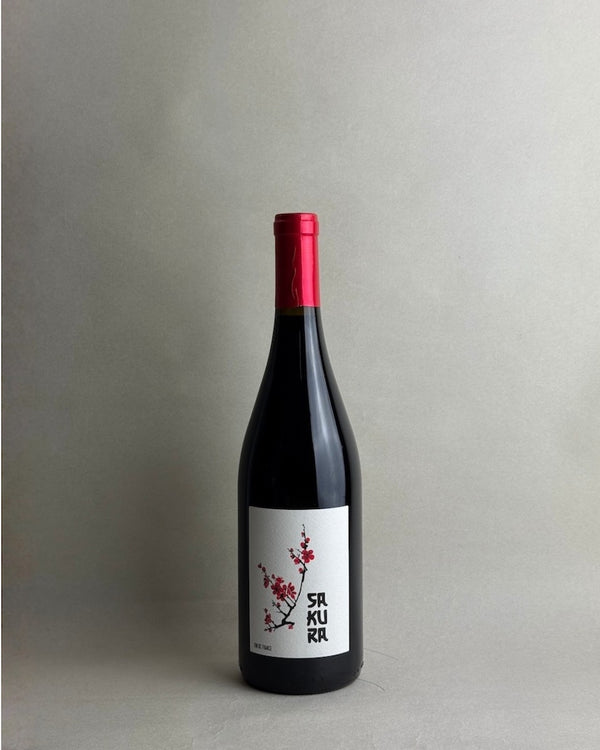
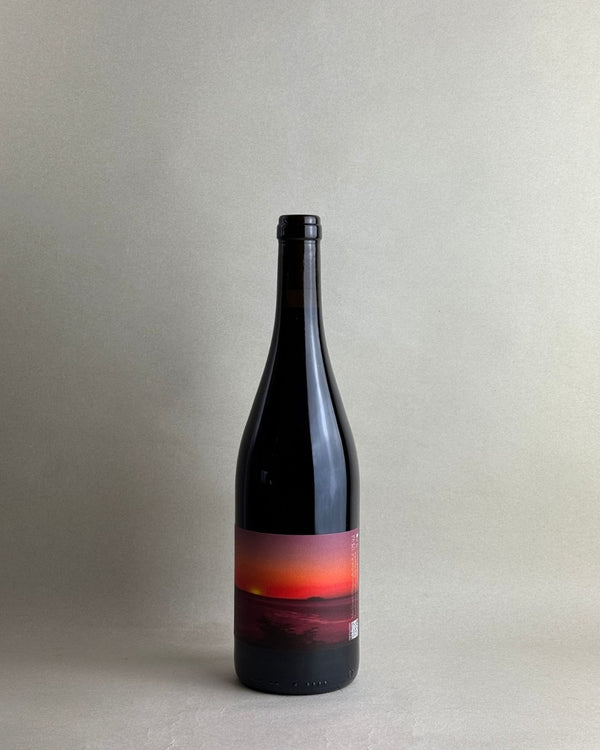
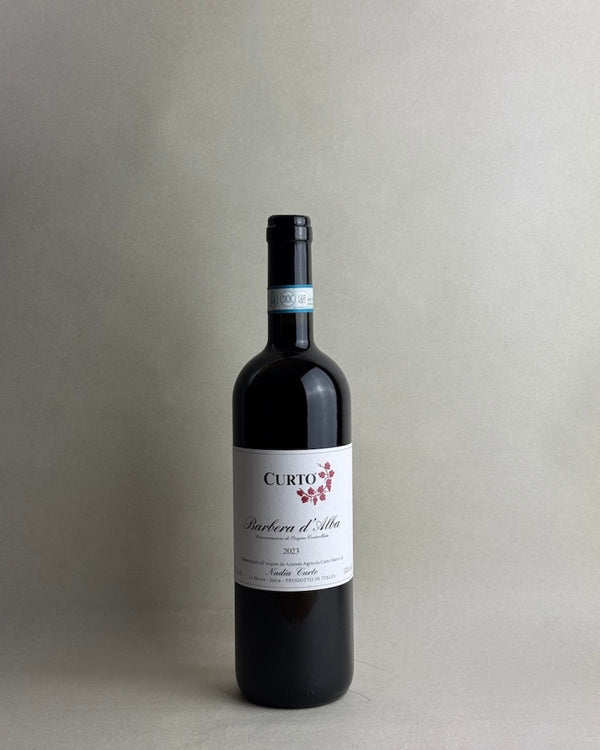
Not an algorithm: three bottles we would open next, and what they have in common.
Good to know
Questions we get a lot
Is this a natural wine?
All our wines come from small growers who farm organically or biodynamically and keep intervention in the cellar to a minimum: native yeasts, little or no added sulphites. Every producer has their own approach; the details are in “From the vineyard to the bottle” above.
Why is it a bit cloudy, or is there sediment?
Many of our wines are bottled unfiltered. A light haze or some sediment is natural and harmless: stand the bottle upright for a few hours and pour gently.
How long does it keep once open?
It depends on the wine (see “Once open” above). As a rule: cork back in and keep it in the fridge, reds included.
When will my order arrive?
We ship Tuesday to Saturday, usually right away. In Germany delivery takes 2–3 working days; rates for every country are on our shipping page.
Can I pick up in Berlin?
Yes. Choose pickup at checkout and collect your order at our shop in Berlin.