


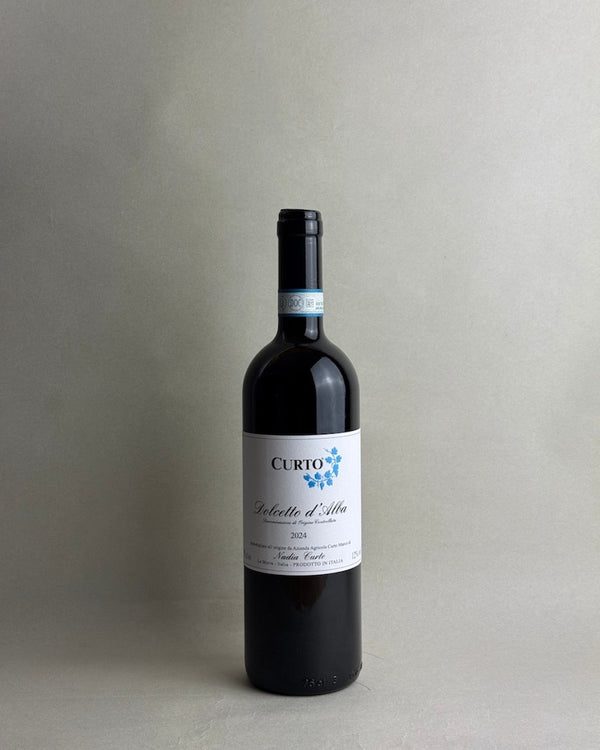
DWNL - Dolcetto 2024

DWNL - Dolcetto 2024
Dolcetto interpreted in a direct, vibrant and contemporary register.
- Juicy
- Fresh
- Supple
- Savoury
- Type
- Red
- Grapes
- Dolcetto
- Place
- Piemonte, Italy
Free shipping over €150 in Germany · Pickup in Berlin
How it tastes
In the glass
A fruit-centred Dolcetto built on immediacy and drinkability.
Profile
Nose
Black cherry, ripe plum, and blueberry layered with violet and a faint almond nuance.
Palate
Medium-bodied with moderate acidity and soft, present tannins. Dark fruit remains expressive and round, supported by a subtle bitter-almond grip that adds structure without heaviness.
Finish
Clean and gently dry, with lingering black fruit and a lightly savoury close.
“A candid and energetic Dolcetto focused on purity of fruit and balance.”
How to serve
Getting the best out of it
How to pair it
This is a light red
Low tannin, lots of freshness: serve it slightly chilled and pair it almost like a white. No cheese, no fried food.
Match
Flavours that echo the wine.
- Mushrooms and earthy vegetables
- Poultry and white meat (roast chicken)
- Pulses (lentils, beans)
- Grilled meaty fish (tuna, salmon)
Contrast
Opposites that make each other better.
- Cured meats (salame, prosciutto)
- Fatty sausages
Careful with
Combinations that flatten the wine.
- Raw fish
- Very hot chilli
- Heavy stews
Terroir & winemaking
From the vineyard to the bottle
Dolcetto sourced from hillside vineyards in Piemonte, cultivated to preserve brightness and varietal clarity.
- Vines
- 100% Dolcetto from selected parcels.
- Soils
- Calcareous clay with sandy elements contributing suppleness and balance.
- Farming
- Sustainable viticulture with manual harvest and careful selection.
- Cellar
- Fermentation in stainless steel with gentle extraction to maintain fruit purity, ageing to preserve freshness.
- Additions
- Minimal sulphur, no unnecessary manipulation.
Where it's from · Piemonte, Italy
MONTELUPO ALBESE
Montelupo Albese sits on the eastern edge of the Langhe hills, just outside the southeastern boundary of the Barolo DOCG. The village is quiet and unassuming — no prestige attached, no premium built into the postcode. But the land tells a different story. The soils here are composed of blue-grey marl, the same Helvetian and Tortonian geology that defines the most prized crus inside the denomination. Altitude, exposure, and the Langhe's continental microclimate apply equally on both sides of the line.
The winemaker · Montelupo Albese, Langhe, Piedmont, Italy
DWNL
Langhe vigneron building a case for quality without appellation politics
Alessandro Salvano grew up in Montelupo Albese, east of Serralunga d'Alba, where both his grandparents were winemakers. The land around him was Langhe through and through — blue marl soils, hillside exposures, Nebbiolo in the ground — just a few meters outside the Barolo DOCG boundary drawn in the 1980s. That detail would shape everything that came after.
“The idea is that today, if you are a good winemaker and grower, you don’t have to worry about appellation.”

- Style
- Non-interventionist, freshness-driven
- Grapes
- Nebbiolo, Dolcetto, Chardonnay, Pinot Noir
- Farming
- Organic, hand-worked, no herbicides or pesticides
- Winemaking
- Whole-cluster, indigenous yeasts, no fining or filtration, minimal SO₂
- Signature
- Vineyards just outside the Barolo DOCG — same soils, no denomination premium


Picked by us
If you like this, try
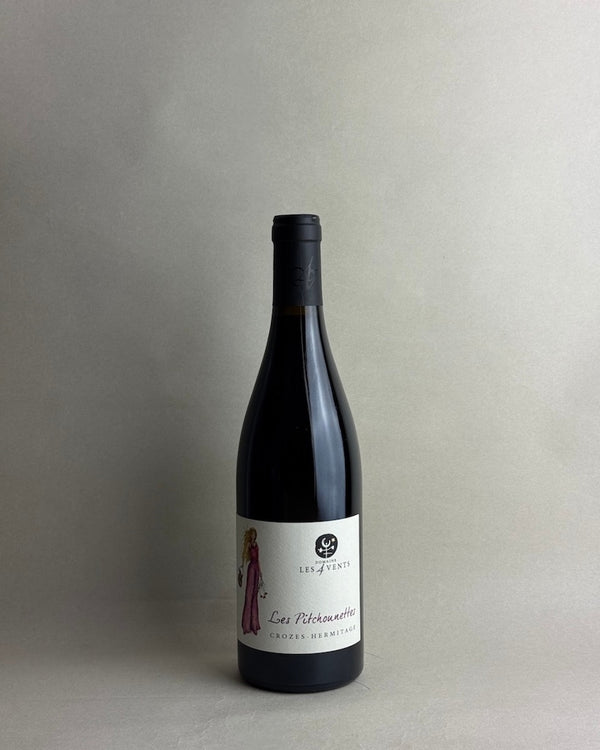
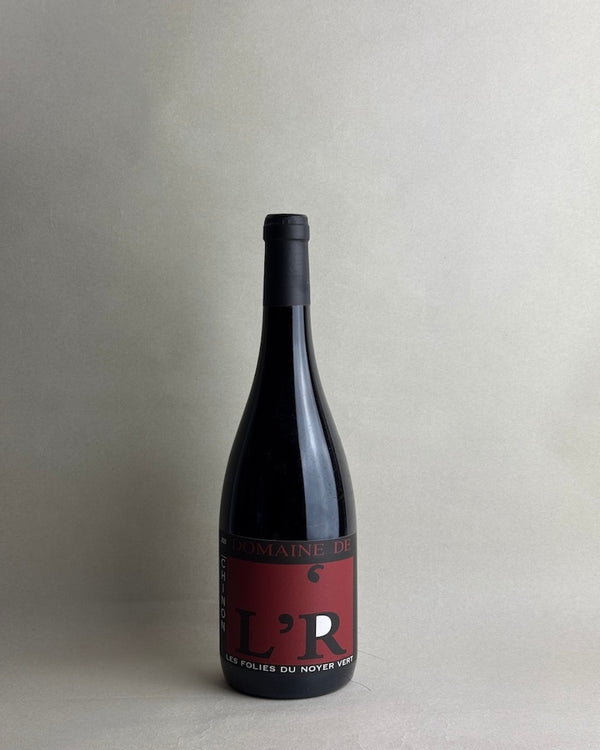
Not an algorithm: three bottles we would open next, and what they have in common.
Good to know
Questions we get a lot
Is this a natural wine?
All our wines come from small growers who farm organically or biodynamically and keep intervention in the cellar to a minimum: native yeasts, little or no added sulphites. Every producer has their own approach; the details are in “From the vineyard to the bottle” above.
Why is it a bit cloudy, or is there sediment?
Many of our wines are bottled unfiltered. A light haze or some sediment is natural and harmless: stand the bottle upright for a few hours and pour gently.
How long does it keep once open?
It depends on the wine (see “Once open” above). As a rule: cork back in and keep it in the fridge, reds included.
When will my order arrive?
We ship Tuesday to Saturday, usually right away. In Germany delivery takes 2–3 working days; rates for every country are on our shipping page.
Can I pick up in Berlin?
Yes. Choose pickup at checkout and collect your order at our shop in Berlin.