


Calalta - Mentelibera 2024

Calalta - Mentelibera 2024
Fresh, aromatic white built on clarity and ease.
- Free
- Fresh
- Zesty
- Pure
- Type
- White
- Grapes
- Bronner, Souvignier Gris, Riesling
- Place
- Veneto, Italy
Free shipping over €150 in Germany · Pickup in Berlin
How it tastes
In the glass
Bright and focused blend with citrus blossom, white peach, and mineral clarity.
Profile
Nose
Fresh citrus blossom, hints of white peach, subtle herbal lift.
Palate
Lively acidity gives clarity and momentum with a mineral core reflecting complex soils. Nuances of lemon pith and orchard fruit evolve into gentle saline thread and refined texture. The interplay of Bronner's richness, Riesling's floral brightness, and Souvignier Gris's subtle spice and phenolic complexity adds dimension.
Finish
Long, refreshing, and nuanced—a compelling expression of innovative blending and distinctive terroir.
“An artisanal blend reflecting both vintage character and the estate's evolving approach.”
How to serve
Getting the best out of it
How to pair it
This is a fresh white
Match intensity: light food, light wine. Let the acidity do the job a squeeze of lemon would do.
Match
Flavours that echo the wine.
- Green vegetables and herbs (peas, courgettes, pesto)
- Grilled or steamed white fish
- Shellfish
- Fresh goat cheese
Contrast
Opposites that make each other better.
- Fried fish and seafood (fritto misto, calamari)
- Creamy fresh cheese (burrata, stracciatella)
Careful with
Combinations that flatten the wine.
- Red meat
- Smoky barbecue
- Chilli-hot dishes
Terroir & winemaking
From the vineyard to the bottle
A blend of Bronner, Riesling, and Souvignier Gris from Mussolente in Veneto, grown organically on hills around Monte Grappa on soils of clay, sand, and stone.
- Vines
- Bronner, Riesling, and Souvignier Gris (newly introduced after loss of Incrocio Manzoni block) from organically farmed parcels.
- Soils
- Clay, sand, and stone, contributing terroir energy and varietal brightness.
- Farming
- Organic viticulture with low-intervention ethos and hand-harvesting.
- Cellar
- Direct pressing, fermentation with indigenous yeasts in stainless steel.
- Additions
- Minimal or no added sulphites, no fining, no filtration.
Where it's from · Veneto, Italy
BASSANO DEL GRAPPA
The vineyards sit between 150 and 200 metres above sea level at the foot of Monte Grappa, in the transitional zone where the Alps begin their descent toward the Venetian plain. This is a different Veneto — cooler, more vertical, further from the warmth and volume that characterise the region's better-known wines. Alpine air flows down through the valleys at night, slowing ripening and locking in acidity. Daytime sun completes the cycle, building phenolic ripeness without heat stress.
The winemaker · Bassano del Grappa, Veneto, Italy
Calalta
Artisan winemaking producing precise, site-driven wines at the foot of Monte Grappa
Calalta sits in the hills around Bassano del Grappa, a zone more associated with industry and Prosecco than with quiet, considered viticulture. That contrast is part of the point. In 2017, Nicola took over his family's property and began reshaping it around a single idea: wine as a direct expression of place, made without shortcuts or stylistic ambition beyond clarity.
“Wine is made in the vineyard. In the cellar, we try not to get in the way.”

- Style
- Still wines, freshness-driven, minimal intervention
- Grapes
- Riesling, Bronner, Cabernet Franc, Syrah, local varieties
- Farming
- Organic, hand-worked, no chemical treatments
- Winemaking
- Spontaneous fermentations, unfiltered, no fining, minimal SO₂
- Signature
- Pre-Alpine precision — drinkability and transparency over power


Picked by us
If you like this, try
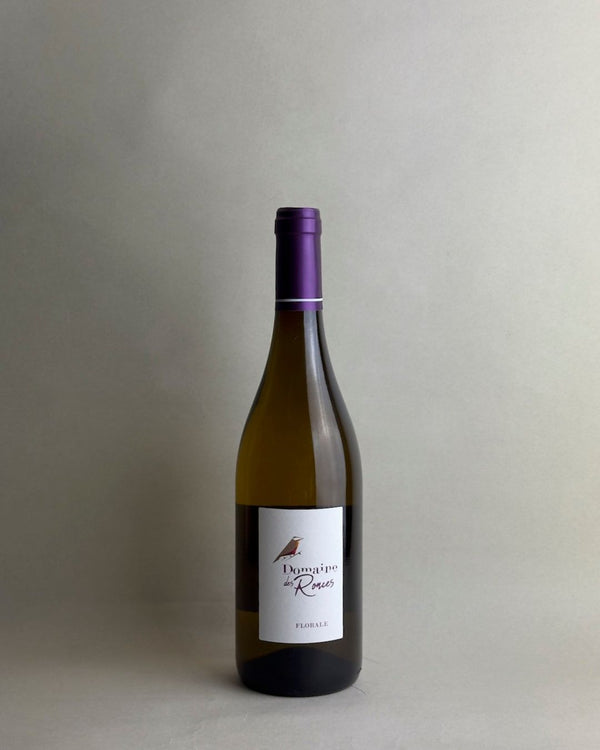
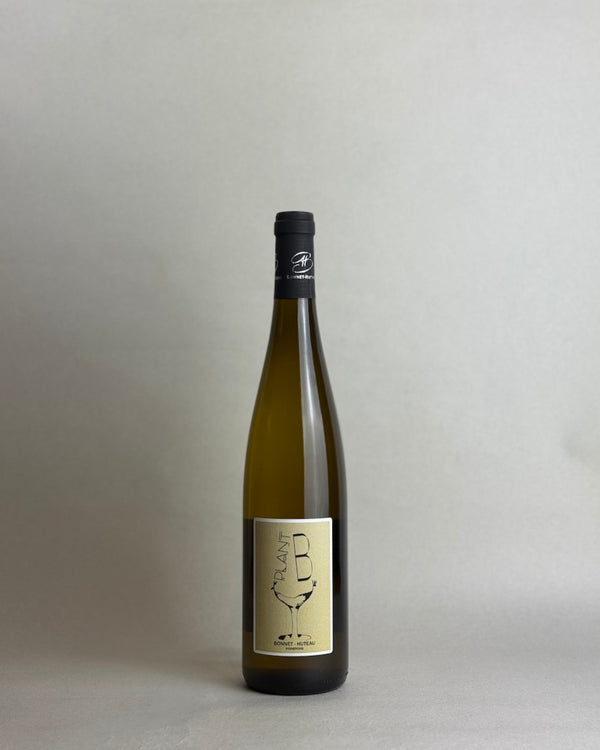
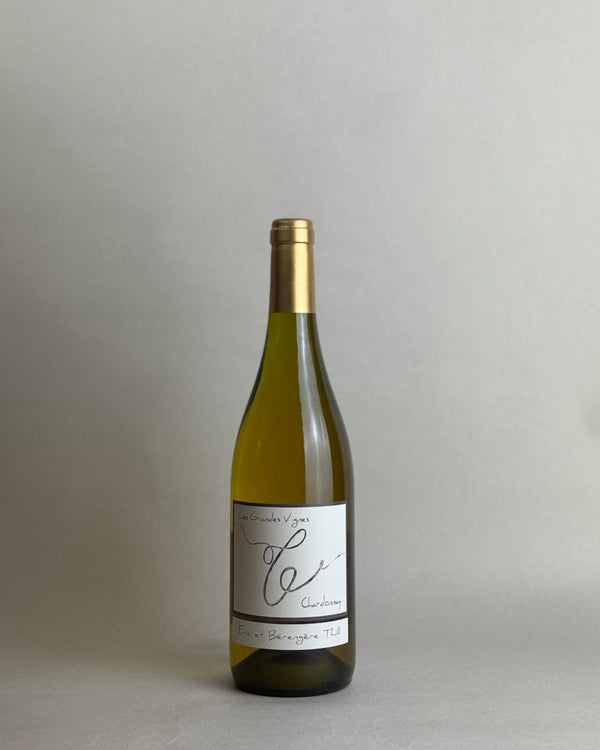
Not an algorithm: three bottles we would open next, and what they have in common.
Good to know
Questions we get a lot
Is this a natural wine?
All our wines come from small growers who farm organically or biodynamically and keep intervention in the cellar to a minimum: native yeasts, little or no added sulphites. Every producer has their own approach; the details are in “From the vineyard to the bottle” above.
Why is it a bit cloudy, or is there sediment?
Many of our wines are bottled unfiltered. A light haze or some sediment is natural and harmless: stand the bottle upright for a few hours and pour gently.
How long does it keep once open?
It depends on the wine (see “Once open” above). As a rule: cork back in and keep it in the fridge, reds included.
When will my order arrive?
We ship Tuesday to Saturday, usually right away. In Germany delivery takes 2–3 working days; rates for every country are on our shipping page.
Can I pick up in Berlin?
Yes. Choose pickup at checkout and collect your order at our shop in Berlin.